
Why Spatial Video Needs Its Own Distribution Infrastructure
Szymon Wnuk
Spatial video is moving from experimentation toward professional adoption.
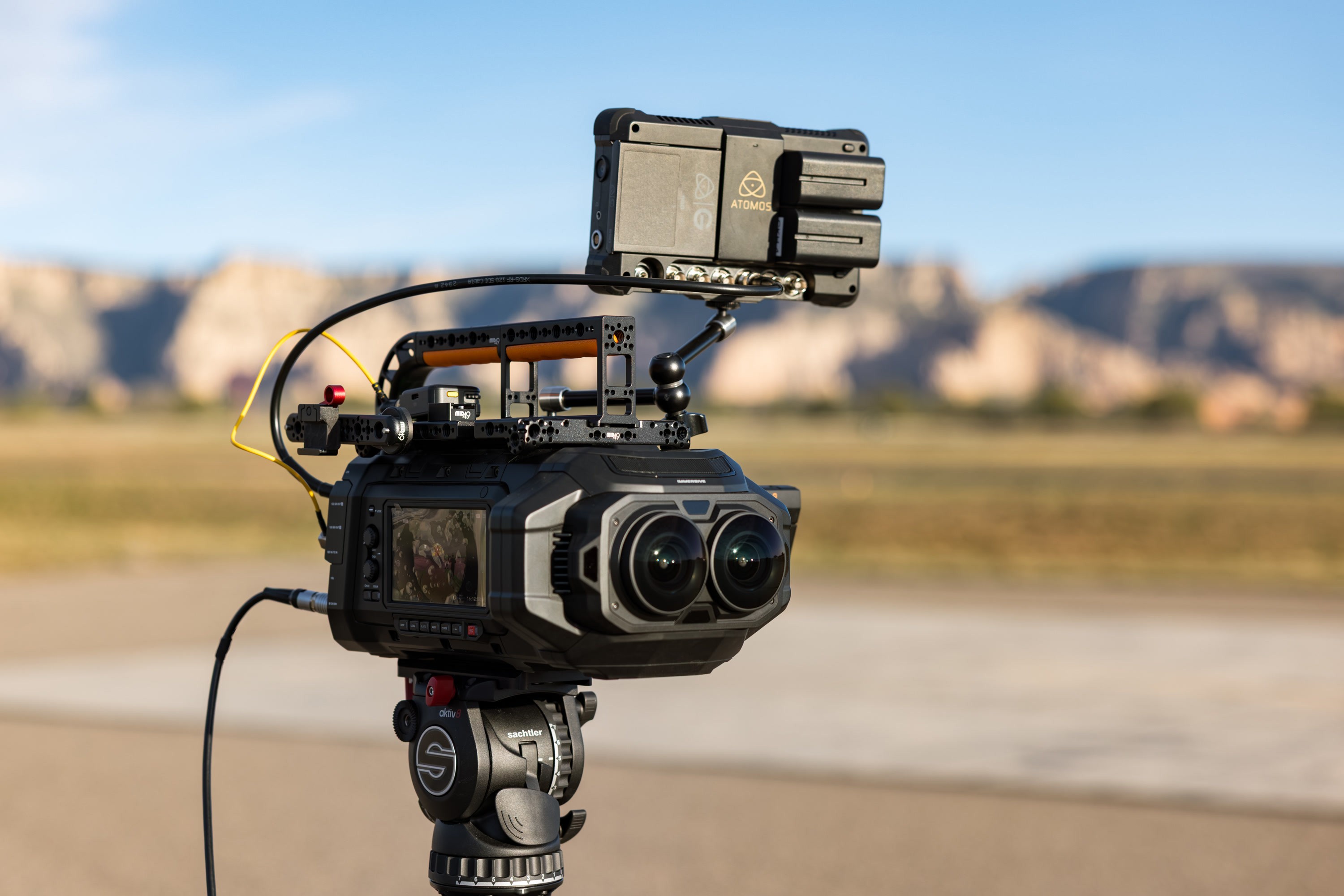
Professional cameras can now capture incredibly realistic, immersive experiences, and Apple Vision Pro gives people a whole new way to watch them.
But once a creator finishes making a spatial video, a new challenge begins:
How do you actually get it to your audience?
Unlike a normal video, you can't simply upload it anywhere and expect it to work.
Traditional video platforms weren't built for immersive content
Most video platforms were designed around flat screens, standard formats, and massive-scale distribution.
Spatial video introduces different requirements.
The experience depends on:
Depth and spatial relationships
Consistent image quality
High-resolution playback
Spatial audio
Reliable headset performance
A workflow designed for traditional video cannot simply be adapted to support premium immersive experiences.
The missing layer between creators and audiences
Professional creators should not need to build their own streaming infrastructure, develop custom applications, or manage complex technical workflows just to share their work.
They need a platform that allows them to focus on storytelling while maintaining control over presentation and delivery.
Immersa provides this professional distribution layer.
The platform helps studios and organizations manage immersive content, deliver experiences on Apple Vision Pro, and create a more direct connection between their work and their audience.
Making premium spatial content scalable
The future of immersive media depends on making professional delivery simpler.
The goal is not only to create better content, but to create better ways for people to experience it.
Immersa gives creators the infrastructure needed to move from immersive production to professional distribution.